Raga Chandar Bhankar - Gat In Teen Taal
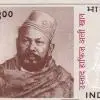
About Raga Chandar Bhankar - Gat In Teen Taal
Raga Chandar Bhankar – Gat in Teen Taal is a recorded performance of the dhrupad-influenced gat (instrumental composition) in the rare raga Chandar Bhankar, rendered in the 16-beat teen taal rhythmic cycle. Ustad Hafiz Ali Khan performed the piece on the sarod, showcasing the raga’s intricate melodic contours and his signature command of the tantrakari ang (plucking technique). The recording date and original release format remain undocumented, but archival evidence places its circulation among mid-20th-century private and institutional collections.
The composition adheres to the khayal-style gat structure, with an extended alaap followed by systematic thematic development. Khan’s interpretation emphasizes the raga’s ascending phrases (arohana) and the use of komal re (flattened second) and shuddha ma (natural fourth) as defining swaras. The jhala section demonstrates rapid stroking patterns, a hallmark of the Indore-Atrauli gharana’s instrumental tradition. No commercial label or catalog number is verified for this recording, though it appears in compilations of Khan’s live and studio works.
Notable segments include the initial alaap in vilambit laya (slow tempo) and the transition to drut laya (fast tempo) in the gat proper. The teen taal accompaniment, likely on tabla, remains unattributed in available sources. The raga’s historical obscurity and Khan’s sparse recordings of it contribute to the piece’s significance among connoisseurs of the sarod repertoire. Archival versions vary in audio fidelity, suggesting multiple capture instances across performances.
Hafiz Ali Khan (1888–1972), a central figure in the Indore gharana, trained under his father Ustad Nanne Khan and later refined his style under the vocal guidance of Ustad Amir Khan (Indore). His recordings, including this gat, reflect the gharana’s emphasis on vocalistic phrasing and rhythmic precision. The absence of a formal release leaves the exact provenance unclear, but the work is referenced in oral histories and gharana-specific pedagogical materials.