Dancing Drums
About Dancing Drums
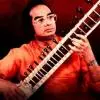
Dancing Drums is a composition by Indian musician Ananda Shankar, released as part of his self-titled debut album in 1970. The track exemplifies Shankar’s fusion of traditional Indian classical music with Western psychedelic rock and funk, a style he pioneered in the late 1960s and early 1970s. The album was produced under the Reprise Records label, a subsidiary of Warner Bros. Records, and marked Shankar’s introduction to international audiences.
The track runs for 5 minutes and 24 seconds and features Shankar on sitar alongside a blend of electric guitars, bass, drums, and tabla. The composition integrates raga-inspired melodies with rhythmic patterns drawn from both Hindustani classical music and contemporary Western genres. The drumming, a central element of the piece, combines traditional Indian percussion with funk-inflected grooves, creating a cross-cultural rhythmic dialogue. The recording sessions took place in London, where Shankar collaborated with session musicians from both Indian and Western backgrounds.
Dancing Drums appeared on the original vinyl LP release of Ananda Shankar, which included nine tracks in total. The album’s production reflected the era’s experimental approach to world music fusion, with Shankar’s sitar often processed through effects like wah-wah pedals and phasers. While the album did not achieve immediate commercial success, it gained a cult following in subsequent decades, particularly among collectors of psychedelic and world fusion music. The track’s title references the interplay between the tabla and Western drum kit, a hallmark of Shankar’s innovative arrangements.
Limited documentation exists regarding the specific recording dates or the identities of all contributing musicians on Dancing Drums. Shankar’s work on the album preceded his later collaborations with artists such as Ravi Shankar (his uncle) and his more commercially successful 1975 album A Moog Raga. The 1970 release remains a foundational example of Indo-Western fusion, influencing later genres like psychedelic folk and global electronic music. Reissues of the album on CD and digital formats in the 2000s introduced the track to new audiences, though original pressings remain sought after by vinyl enthusiasts.