Dance Indra
About Dance Indra
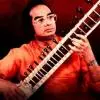
Dance Indra is a composition by Indian musician Ananda Shankar, released as part of his self-titled debut album in 1970. The track exemplifies Shankar’s fusion of traditional Indian classical music with Western psychedelic rock and funk, a style he pioneered in the late 1960s and early 1970s. The album was produced under the Reprise Records label, a subsidiary of Warner Bros. Records, and marked a significant departure from conventional Indian classical presentations of the era.
The track runs for 3 minutes and 53 seconds and features Shankar on sitar alongside electric guitar, bass, drums, and Moog synthesizer. The arrangement blends raga-inspired melodies with rhythmic grooves, reflecting Shankar’s training under his uncle, sitarist Ravi Shankar, and his exposure to Western popular music during his time in Los Angeles. The title Dance Indra references Indra, the Vedic deity associated with thunder and war, though the lyrical or thematic connection remains undocumented in available sources.
The album Ananda Shankar received limited commercial attention upon release but gained retrospective acclaim for its innovative cross-genre experimentation. Dance Indra became one of the record’s standout tracks, later sampled or covered by artists across electronic, hip-hop, and world music scenes. Notable samples include its use in M.I.A.’s 2007 track Jimmy from the album Kala, which introduced Shankar’s work to a broader audience. The original 1970 LP pressing included liner notes by Shankar, outlining his intent to bridge Eastern and Western musical traditions.
No official music video or live performance recordings of Dance Indra from the 1970 release period are verified in public archives. The track’s master tapes were remastered for reissues, including a 2005 CD release by Now-Again Records, which compiled Shankar’s early works. The composition’s exact recording location and session musicians—beyond Shankar’s primary role—remain partially undocumented, though archival interviews suggest contributions from Los Angeles-based studio musicians.
Ananda Shankar’s fusion approach on Dance Indra influenced subsequent generations of South Asian artists exploring global music synthesis. The track’s legacy endures in compilations of psychedelic and world music, often cited as a foundational example of Indo-Western musical hybridity. Shankar’s later works, such as Ananda Shankar and His Music (1975), expanded on these themes, but Dance Indra remains one of his most recognized compositions from the 1970 album.