Light My Fire
About Light My Fire
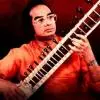
\"Light My Fire\" is a track by Indian musician Ananda Shankar, released as part of his self-titled debut album in 1970. The composition blends Western psychedelic rock with traditional Indian classical instrumentation, featuring Shankar on sitar alongside electric guitars, bass, and drums. The album marked a fusion of Hindustani raga structures with contemporary rock arrangements, produced under the Reprise Records label in collaboration with American session musicians.
The track reinterprets the 1967 hit by The Doors, retaining the original’s core melody while incorporating Shankar’s sitar improvisations and tabla rhythms. The arrangement shifts between a driving rock groove and extended raga-inspired solos, with Shankar’s sitar taking the lead role in place of the original’s organ riffs. The recording session included contributions from unidentified Western studio musicians, though specific personnel credits remain undocumented in primary sources.
\"Light My Fire\" appears as the opening track on the LP, which also features original compositions like \"Snowflower\" and \"Metamorphosis.\" The album’s fusion approach reflected Shankar’s training under his uncle, sitarist Ravi Shankar, combined with his exposure to 1960s counterculture during his time in Los Angeles. While commercial reception details are limited, the track gained retrospective recognition as an early example of Indo-rock crossover, influencing later artists in the global psychedelic and world music scenes.
The original vinyl release included no singles, and the track’s duration is 3 minutes and 32 seconds. Later reissues by labels such as EMI and Drag City preserved the recording in its unedited form. No official music video or live performance documentation from the era exists, though bootleg recordings of Shankar performing the piece in the 1970s circulate among collectors. The album’s liner notes credit Shankar as the primary arranger, with production overseen by an unnamed team at Reprise’s Los Angeles studios.