Ae Dila Hum Howay
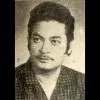
About Ae Dila Hum Howay
Ae Dila Hum Howay is a single-track release by Pakistani classical and ghazal vocalist Amanat Ali Khan. The song was released in an unspecified year, though its stylistic elements align with Khan’s broader discography of semi-classical and ghazal compositions. The track runs for 3 minutes and 48 seconds.
The composition blends traditional South Asian classical motifs with contemporary arrangements. Amanat Ali Khan delivers the vocals in his signature khayal-influenced style, characterized by intricate taan modulations and emotive phrasing. The lyrical content explores themes of longing and existential reflection, a recurring motif in Khan’s repertoire. Instrumental accompaniment includes harmonium, tabla, and light orchestral layers, though specific session musicians remain uncredited in available sources.
The release format appears digital, with no confirmed physical media or label attribution in public records. The track title translates roughly to \"Oh Heart, We Have Become\" in English, reflecting its poetic and philosophical undertones. Notable sections include an extended alaap-like prelude and a climactic antiphonal exchange between Khan’s vocals and the instrumental ensemble. The song’s reception details, chart performance, and production team (if any) are not documented in accessible archives.
Amanat Ali Khan, a scion of the Patiala gharana, frequently collaborated with composers and lyricists from Pakistan’s music industry, though the creative personnel for this track are unverified. The recording exemplifies his ability to merge classical rigor with accessible melodic structures, a hallmark of his late-career output. Further contextual information, including the release date, studio, or associated album (if part of a larger project), is not available in current references.