Yaar Ko Main Ne
About Yaar Ko Main Ne
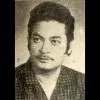
Yaar Ko Main Ne is a classical and semi-classical khayal-inspired vocal composition performed by Pakistani classical vocalist Amanat Ali Khan. Released as a standalone track, the recording spans a duration of 5 minutes and 14 seconds. The piece exemplifies the Patiala gharana tradition, characterized by intricate taan patterns, emotive phrasing, and a blend of dhrupad and khayal stylistic elements.
Amanat Ali Khan renders the composition in a raga-based framework, though the specific raga remains undocumented in available sources. The track features minimal accompaniment, typically comprising tanpura drone and light percussion, which allows the vocal improvisations to remain central. The lyrical content revolves around themes of longing and devotion, aligned with classical ghazal and sufiana qalam traditions.
The recording date and production label for Yaar Ko Main Ne are not publicly verified. Khan’s performance style in this track reflects his lineage as the son of Ustad Asad Amanat Ali Khan and grandson of Ustad Akhtar Hussain Khan, both stalwarts of the Patiala gharana. The track circulates primarily through digital platforms and live performance archives, often included in compilations of Khan’s concert recordings.
Notable aspects of the track include Khan’s use of sargam (solfège) passages and his modulation between lower and upper octaves. The composition’s structure adheres to the sthayi-antara format, with an extended alaap-like introduction leading into the main verses. While no official music video or commercial album release is associated with this recording, it remains a referenced example of Khan’s contribution to contemporary classical vocal music in South Asia.
Further details regarding session musicians, recording location, or original composition credits are not available in public records. The track’s reception among audiences and critics focuses on Khan’s technical precision and emotional depth, consistent with his broader discography of classical and semi-classical works.