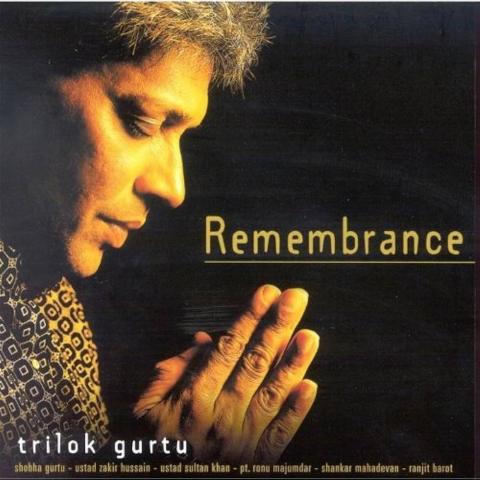
About Remembrance
Remembrance is a studio album by Indian percussionist and composer Trilok Gurtu, released on October 28, 2002. The album represents Gurtu’s fusion of Indian classical traditions with contemporary jazz and world music elements. The label and specific recording locations remain undocumented in available sources.
The album comprises 11 tracks, blending rhythmic patterns from Indian folk and classical music with electronic textures and improvisational jazz structures. Gurtu employed a mix of traditional instruments, including the tabla, mridangam, and ghatam, alongside synthesized sounds and percussion loops. Notable compositions include Brindavan Dance, a piece inspired by South Indian devotional themes, and Expression of Love, which incorporates melodic phrasing from Hindustani raga traditions. Witness to Marriage and Evening in India feature layered percussion arrangements, while Sounds of India integrates field recordings with studio-produced rhythms.
The track Remembrance, the album’s titular piece, combines sparse percussion with ambient soundscapes, reflecting Gurtu’s exploration of memory and cultural heritage. Street Song and Eastern Journey emphasize syncopated grooves, drawing from both Indian folk rhythms and African percussion influences. Our Heritage and Worship incorporate vocal chants and devotional motifs, aligning with Gurtu’s broader interest in spiritual and meditative music forms.
Critics noted the album’s cohesive production and Gurtu’s ability to merge disparate musical languages. The release followed his earlier works like Usfret (1988) and Crazy Saints (1993), further establishing his role in global fusion music. Live performances of material from Remembrance occurred during Gurtu’s 2002–2003 tour, though no official concert recordings from this period have been published. The album’s reception contributed to Gurtu’s reputation as an innovator in cross-cultural percussion, though specific sales figures or chart positions remain unverified in public records.