Universal Magic
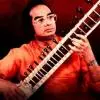
About Universal Magic
Universal Magic is a composition by Indian musician Ananda Shankar, featured in his repertoire of fusion works blending classical Indian music with Western psychedelic and funk elements. The track runs for 4 minutes and 8 seconds and exemplifies Shankar’s signature style of integrating sitar with synthesizers, electric guitars, and rhythmic grooves.
Shankar recorded the piece during his exploratory phase in the 1970s, a period marked by his collaborations with Western musicians and experimentation with electronic instrumentation. The exact release date and parent album for Universal Magic remain undocumented in widely accessible sources, though it aligns stylistically with his albums from that era, such as Ananda Shankar and His Music (1970) and Ananda Shankar (1975). No official label attribution for this specific track is confirmed in public records.
The composition reflects Shankar’s approach to bridging raga-based improvisation with funk and rock structures. The track opens with a sitar melody anchored by a syncopated bassline and layered with Moog synthesizer textures. Percussion elements, including tabla and conventional drum kits, create a hybrid rhythmic foundation. The interplay between traditional Indian scales and Western harmonic progressions defines the piece’s cross-cultural character.
Shankar performed Universal Magic in live settings during his international tours, often as part of a broader setlist that included adaptations of classical ragas and original fusion works. The track’s reception contributed to his reputation as a pioneer of Indo-Western fusion, influencing later generations of artists in global fusion and electronic music scenes. Archival recordings of live performances exist, though no official studio version has been verified in commercial releases.
Limited documentation persists regarding the session musicians involved in the recording. Shankar frequently collaborated with Western artists during this period, but specific credits for Universal Magic are not publicly detailed. The track’s legacy endures through reissues of Shankar’s catalog and compilations dedicated to 1970s fusion music.