The Lost Galaxy
About The Lost Galaxy
The Lost Galaxy is a composition by Indian musician Ananda Shankar, released as part of his self-titled debut album in 1970. The track exemplifies Shankar’s fusion of traditional Indian classical music with Western psychedelic rock and funk, a style he pioneered in the late 1960s and early 1970s. The album was produced under the Reprise Records label in the United Kingdom, with distribution later extended to international markets.
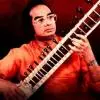
The piece runs for 4 minutes and 20 seconds and features Shankar on sitar alongside a backing ensemble of electric guitars, bass, drums, and synthesizers. The arrangement blends raga-inspired melodies with rhythmic grooves characteristic of contemporary Western genres, reflecting Shankar’s training under his uncle, sitarist Ravi Shankar, and his exposure to global musical trends during his time in Los Angeles and London. The track’s instrumental structure prioritizes improvisation, with the sitar taking a central role over layered percussive and harmonic textures.
The album Ananda Shankar received attention for its cross-cultural experimentation, though specific reception details for The Lost Galaxy as a standalone track remain less documented. The record’s production coincided with a period of growing interest in Indian classical music among Western audiences, partly due to the influence of artists like The Beatles and their collaboration with Ravi Shankar. Shankar’s work on this album, including The Lost Galaxy, contributed to the broader Indo-jazz fusion movement of the era.
No official music video or live performance recordings of The Lost Galaxy from the 1970 release period are verified in public archives. The track has been reissued in later compilations, such as the 1996 CD re-release of Ananda Shankar by Blue Moon Records, which introduced the album to newer audiences. The original vinyl pressing included liner notes crediting Shankar as the primary composer and arranger, with session musicians uncredited in most editions.
The broader cultural impact of The Lost Galaxy lies in its representation of Shankar’s hybrid approach, which predated the commercial success of similar fusion projects in subsequent decades. While the track did not achieve chart recognition, it remains a referenced example of early East-West musical synthesis in 20th-century popular music. Additional context regarding its recording sessions, alternate takes, or direct influences on later artists is not widely substantiated in available sources.