Raga: Rageshree (Aalap, Jor & Jhala)

About Raga: Rageshree (Aalap, Jor & Jhala)
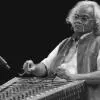
Raga: Rageshree (Aalap, Jor & Jhala) is a recording of raga Rageshree performed in the dhrupad style of Hindustani classical music. Artists Tarun Bhattacharya and Enayet Hossain rendered the composition, with Bhattacharya playing the santoor and Hossain accompanying on the tabla.
The performance spans a duration of 24 minutes and 52 seconds. The recording follows the traditional alap-jor-jhala structure, beginning with a slow, meditative alap that explores the raga’s melodic contours. The jor section introduces rhythmic pulse, while the jhala concludes with rapid, intricate strokes on the santoor. The track emphasizes the raga’s shuddha dhaivat (natural sixth) and komal gandhar (flattened third), characteristic of Rageshree’s evening (sandhi prakash) association.
The release date and label remain undocumented in available sources. The recording circulates primarily in digital formats, often included in compilations or archival collections of Bhattacharya’s work. No standalone album title or catalog number is verified for this specific performance. Notable aspects include the interplay between the santoor’s sustained notes and the tabla’s percussive responses, particularly in the transitional phases between sections.
Tarun Bhattacharya (1939–2022) was a prominent exponent of the santoor in Hindustani classical music, known for adapting the instrument to dhrupad and khayal traditions. Enayet Hossain, a Bangladeshi tabla virtuoso, frequently collaborated with Indian classical musicians. The absence of vocal accompaniment in this recording aligns with instrumental dhrupad conventions, where the lead instrument emulates vocal phrasing.
Further details regarding the recording session’s location, production personnel, or live performance context are not publicly confirmed. The track serves as an example of cross-border collaboration in classical music, reflecting the shared heritage of Hindustani traditions in India and Bangladesh.