Raga Jaunpuri
About Raga Jaunpuri
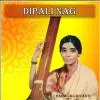
Raga Jaunpuri is a performance by Hindustani classical vocalist Dipali Nag, showcasing the raga of the same name from the Asavari thaat. The recording presents a traditional khayal rendition, adhering to the structural conventions of alaap, jor, jhala, and composed bandishes in vilambit and drut layas. The context does not specify the release year, label, or accompanying artists, though the format aligns with standard classical vocal albums or live concert documentation.
The raga itself belongs to the late evening or early night prahar and employs the shuddha dhaivat (natural sixth) as a defining feature, distinguishing it from closely related ragas like Asavari. Nag’s interpretation emphasizes the komal nishad (flattened seventh) and shuddha gandhar (natural third), with characteristic phrases such as ni sa ga ma pa and ma pa dha pa. The recording likely includes a tanpura drone and tabla accompaniment, though instrumental details remain unconfirmed in the provided context.
Notable tracks, if structured as an album, would center on the raga’s elaboration through improvisational and composed sections. A typical performance begins with a slow, meditative alaap that gradually introduces rhythmic elements in the jor-jhala phase. The composed bandishes often use traditional texts in Braj Bhasha or Sanskrit, though specific lyrics or tala (rhythmic cycle) choices for this recording are undocumented. The absence of metadata limits verification of commercial release status, concert origin, or collaboration with instrumentalists.
Dipali Nag, a practitioner of the Jaipur-Atrauli gharana, is known for her adherence to the style’s intricate taan patterns and gamak-laden phrasing. This recording extends her discography of raga-based presentations, though its reception, critical analysis, or historical placement within her career lacks citation in the available context. The work serves as an example of raga Jaunpuri’s contemporary interpretation within the khayal tradition.