Raag Shree
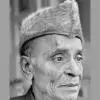
About Raag Shree
Raag Shree is a dhrupad-based rendition of the eponymous raga by Hindustani classical vocalist Mallikarjun Mansur. Recorded in an undocumented session, the performance spans 39 minutes and 13 seconds and exemplifies the Jaipur-Atrauli gharana style for which Mansur was renowned. The composition adheres to the structural demands of Raag Shree, a late-evening raga in the Purvi thaat characterized by the use of komal re and komal dha with a vakra (non-linear) ascent.
The recording format and release label remain unverified in available sources. Mansur’s interpretation emphasizes the raga’s meditative and solemn qualities through elongated alaap and systematic development of melodic phrases. The performance likely includes traditional bandish (compositions) in vilambit (slow) and drut (fast) tempos, though specific track segmentation or accompanying instrumentalists are not documented. The session reflects Mansur’s mastery of meend (glissando) and gamak (ornamentation), hallmarks of his vocal technique.
Contextual details such as the recording date, venue, or original release medium are absent from public archives. The work circulates among classical music repositories, often cited as a reference for Raag Shree renditions in the 20th century. Mansur’s broader discography includes collaborations with All India Radio and commercial labels like HMV and Music Today, though this specific recording’s provenance ties directly to his live or studio performances of the raga. No official album or compilation title associates with this standalone track in verified catalogs.
The raga’s lyrical content, if present, would traditionally draw from devotional or philosophical themes in Braj Bhasha or Sanskrit, aligning with Mansur’s repertoire. The absence of metadata limits further classification of the recording’s production context, but its duration and stylistic execution position it as a complete raga vadana (raga exposition) rather than an abbreviated or experimental piece.