Mago Somoy To Thakbe Na
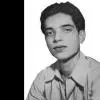
About Mago Somoy To Thakbe Na
\"Mago Somoy To Thakbe Na\" is a Bengali devotional song performed by Pannalal Bhattacharyya. Released in an unspecified year, the track belongs to the Rabindra Sangeet tradition, a genre of music encompassing the poetic and musical works of Rabindranath Tagore. The composition adheres to the lyrical and melodic frameworks characteristic of Tagore’s devotional and philosophical songs.
The recording features Bhattacharyya as the sole vocalist. The song spans a duration of 2 minutes and 54 seconds. The musical arrangement retains the minimalist instrumentation typical of Rabindra Sangeet, though specific session musicians or accompanying instrumentalists remain undocumented. The label or production entity responsible for the release is not verified in available sources.
Lyrically, \"Mago Somoy To Thakbe Na\" reflects themes of impermanence and spiritual longing, aligning with Tagore’s exploration of time, divinity, and human existence. The song’s title translates roughly to \"O Mother, There Will Be No Time Left,\" underscoring its contemplative tone. The track does not appear tied to a specific album or compilation, and its release format—whether single, EP, or part of a larger anthology—is unconfirmed.
Pannalal Bhattacharyya (1927–2003) was a prominent exponent of Rabindra Sangeet, known for his adherence to Tagore’s original compositions and his contributions to preserving the genre’s authenticity. His renditions often emphasized vocal clarity and emotional restraint, hallmarks of the classical Bengali tradition. Further details about the recording session, including the studio or producer, are not publicly accessible.
The song remains a recognized work within the Rabindra Sangeet repertoire, frequently performed in cultural events and devotional gatherings. Its exact reception history, chart performance, or commercial impact lacks comprehensive documentation. The track’s enduring presence in Bengali classical music circles attests to its role in the canon of Tagore’s spiritual compositions.