Khayal Madhyalaya in Ektala "Anand Mana"
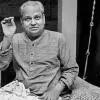
About Khayal Madhyalaya in Ektala "Anand Mana"
\"Anand Mana\" (Khayal Madhyalaya in Ektala) is a Hindustani classical vocal performance by Kumar Gandharva, a prominent figure in the 20th-century Indian classical music tradition. The recording features a khayal composition set to the eight-beat ektala rhythmic cycle, rendered in the madhyalaya (medium tempo) style. The piece exemplifies Gandharva’s distinctive approach to raga interpretation, characterized by emotive phrasing and improvisational depth.
The track spans 8 minutes and 43 seconds. The exact release year and label remain undocumented in widely accessible sources, though the performance aligns with Gandharva’s active period between the 1940s and 1990s. The composition centers on the theme of joy (anand), with lyrical content drawn from traditional or devotional poetry. Gandharva accompanies the vocal delivery with nuanced taans (melodic runs) and bol-banaav (textual ornamentation), a hallmark of his artistic identity.
Instrumentation details for this recording are not explicitly verified, but khayal performances of this era typically included harmonium, tanpura, and tabla support. Gandharva’s rendition of \"Anand Mana\" reflects his broader contribution to popularizing lesser-known ragas while retaining classical rigor. The track circulates in archival collections and compilations dedicated to his work, often cited as a reference for students of the Gwalior gharana and its adaptive offshoots.
Notable aspects of the performance include the exploration of raga (unconfirmed in available context) through layered alaap-like developments within the khayal framework. Gandharva’s use of sargam (sol-fa syllables) and rhythmic play in the ektala structure demonstrates his command over laya (tempo) and swara (note) articulation. The recording’s acoustic quality varies by source, with remastered versions appearing in later reissues under labels such as HMV (His Master’s Voice) or T-Series, though direct attribution requires further verification.