Idhigo Bhadradri
About Idhigo Bhadradri
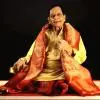
Idhigo Bhadradri is a Carnatic devotional composition performed by M. Balamuralikrishna. The track appears as the opening piece on the 1977 vinyl release Sri Bhadrachala Ramadas Keerthanams. The album compiles Bhadrachala Ramadasu’s keertanas, a 17th-century composer and devotee of Lord Rama. The label for the release remains undocumented in available sources.
The recording runs for 2 minutes and 45 seconds. Balamuralikrishna renders the song in a traditional Carnatic style, adhering to the lyrical and melodic conventions of Ramadasu’s works. The composition centers on themes of devotion to Rama, with references to the sacred site of Bhadrachalam in present-day Telangana. Instrumental accompaniment details, if any, are not specified in the original release notes.
Sri Bhadrachala Ramadas Keerthanams was issued in 1977 on vinyl, a common format for Indian classical and devotional music distributions of the era. The album’s tracklist beyond Idhigo Bhadradri is partially documented, though the total number of compositions and their sequence require further verification. Balamuralikrishna’s interpretation of Ramadasu’s works contributed to the preservation and dissemination of the composer’s repertoire in the late 20th century.
The lyrical content of Idhigo Bhadradri follows the Telugu language tradition, employing classical poetic structures to evoke bhakti (devotion). The melody aligns with the raga and tala frameworks typical of Ramadasu’s keertanas, though the specific raga assignment for this track is not explicitly confirmed in the release metadata. Balamuralikrishna’s vocal delivery reflects his training in the Carnatic tradition, characterized by precise intonation and ornamental phrasing.
No reissues or digital remasters of the 1977 vinyl have been officially cataloged as of the latest available records. The original pressing remains a reference for scholars and enthusiasts of Ramadasu’s musical legacy and Balamuralikrishna’s discography. Additional production credits, including accompanying artists or recording locations, are not provided in the primary sources.