Gura To Jine Pt. Kumar Gandharva
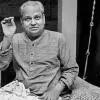
About Gura To Jine Pt. Kumar Gandharva
Gura To Jine is a Hindustani classical vocal performance by Kumar Gandharva, a prominent figure in the khayal tradition of Indian classical music. The recording spans 9 minutes and 38 seconds and showcases Gandharva’s distinctive approach to raga interpretation, characterized by emotional depth and improvisational fluency.
The composition belongs to an unspecified raga, though Gandharva’s renditions often drew from lesser-explored or modified ragas, reflecting his experimental inclinations. The performance style aligns with the gayaki (vocal) tradition of the Gwalior and Jaipur-Atrauli gharanas, with Gandharva synthesizing elements from both schools. The track features minimal instrumental accompaniment, typical of his later recordings, emphasizing the primacy of the vocal line.
Kumar Gandharva recorded extensively for state-owned and private labels, though the exact release year, label, and album context for Gura To Jine remain undocumented in widely accessible sources. The track circulates primarily in archival collections and digital compilations dedicated to his work. Notable aspects include Gandharva’s use of sargam (solfège) and bol-banao (lyrical improvisation), techniques he employed to heighten expressive clarity in his performances.
The recording exemplifies Gandharva’s later phase, marked by a shift toward introspective and meditative renditions. His voice, affected by a throat ailment in his youth, developed a unique timbre that became a hallmark of his artistry. While the lyrical content of Gura To Jine is not explicitly detailed in available references, his repertoire frequently included devotional and philosophical themes rooted in Hindi and Marathi poetry.
Kumar Gandharva’s contributions to Hindustani classical music extended beyond performance to pedagogy and raga innovation. This track, like much of his oeuvre, serves as a reference for students and connoisseurs studying the evolution of 20th-century khayal singing. Further contextual details, including session musicians or the recording location, are not verified in public records.