Ud Jayega Hans Akela - Bhajan
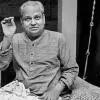
About Ud Jayega Hans Akela - Bhajan
\"Ud Jayega Hans Akela\" is a Hindi bhajan performed by Indian classical vocalist Kumar Gandharva. The recording features Gandharva’s signature rendition in the khayal-influenced bhajan style, blending devotional lyrics with classical improvisation. The track spans 6 minutes and 12 seconds.
The composition draws from traditional North Indian devotional poetry, with Gandharva’s interpretation emphasizing raga-based melodic phrasing. The recording date and original release format remain undocumented, but the work circulates widely in posthumous compilations and archival collections. No official label attribution exists for this specific recording, though Gandharva’s bhajans often appeared on state-run and private Indian labels during the mid-to-late 20th century.
Gandharva’s vocal technique in this track incorporates meend (glissando) and gamak (ornamentation), characteristic of his adaptation of classical elements into lighter devotional forms. The lyrics metaphorically depict solitude and spiritual liberation, a recurring theme in his bhajan repertoire. Accompaniment details, if any, are not specified in available sources.
The song’s title translates to \"The Lonely Swan Will Fly,\" reflecting its philosophical undertones. Kumar Gandharva recorded numerous bhajans alongside his classical performances, though \"Ud Jayega Hans Akela\" stands as one of his more frequently anthologized devotional works. The track’s exact release year is unverified, but Gandharva’s active recording period spanned the 1940s to the 1990s, with this composition likely originating in the latter half of his career.
No commercial album exclusively features this bhajan, but it appears in various posthumous tribute compilations and digital reissues. The absence of session musicians or production credits in public records limits further technical description. Kumar Gandharva’s rendition remains a reference for bhajan-gayaki (devotional singing) within the Gwalior gharana tradition.