Goraknath Bhajan: Duje Ke Sang Nahi Jaoongee - 1969
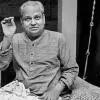
About Goraknath Bhajan: Duje Ke Sang Nahi Jaoongee - 1969
Goraknath Bhajan: Duje Ke Sang Nahi Jaoongee is a 1969 devotional recording by Indian classical vocalist Kumar Gandharva. The composition belongs to the bhajan tradition and draws lyrical inspiration from the poetry associated with Gorakhnath, a medieval yogic saint of the Nath tradition. The track spans 6 minutes and 43 seconds and exemplifies Gandharva’s signature approach to Hindustani vocal music, blending folk idioms with classical raga structures.
Kumar Gandharva recorded the bhajan during a period marked by his exploration of regional and devotional repertoires alongside classical khayal. The recording captures his distinctive vocal timbre and improvisational phrasing, though specific production details such as the accompanying instrumentalists, recording location, or label remain undocumented in widely accessible sources. The composition’s lyrical theme centers on devotion and renunciation, with the refrain Duje Ke Sang Nahi Jaoongee (I will not accompany another) reflecting a vow of unwavering spiritual commitment.
The release year of 1969 places the work within Gandharva’s mature phase, following his recovery from tuberculosis in the 1950s, which had temporarily halted his career. While the bhajan was likely issued on vinyl or audio cassette—common formats of the era—no verified commercial label or catalog number has been consistently cited in archival references. The track later appeared in compilations and reissues of Gandharva’s devotional works, contributing to its enduring presence in the bhajan canon.
Notable for its emotional intensity and rhythmic flexibility, the recording avoids strict adherence to a single raga, instead incorporating melodic motifs from folk traditions of Malwa, Gandharva’s native region in central India. The absence of detailed session documentation leaves the exact raga framework and taala (rhythmic cycle) open to interpretation, though listeners and scholars often associate the piece with the broader Bhairavi or Kafi thaat due to its melodic contours. The bhajan’s textual and musical simplicity contrasts with Gandharva’s more elaborate classical performances, underscoring his versatility across genres.
As with many of Kumar Gandharva’s recordings from this period, Duje Ke Sang Nahi Jaoongee circulates primarily through private collections, archival radio broadcasts, and digital reissues. The track’s cultural significance lies in its representation of the artist’s ability to bridge classical discipline with devotional accessibility, a hallmark of his later career. No official music videos or live performance recordings of this specific bhajan have been verified.