Gat in Malkauns Teental (Vilambit)
About Gat in Malkauns Teental (Vilambit)
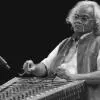
\"Gat in Malkauns Teental (Vilambit)\" is a solo instrumental composition performed by Tarun Bhattacharya in the Malkauns raga set to Teental, a 16-beat rhythmic cycle. The recording spans 3 minutes and 43 seconds and exemplifies the vilambit (slow-tempo) section of a traditional North Indian classical performance.
The piece adheres to the structural conventions of a gat, a fixed melodic framework in Hindustani classical music designed for improvisation within the raga’s grammatical rules. Bhattacharya employs the santur, a trapezoidal hammered dulcimer of Kashmiri origin, as the primary instrument. The recording captures the artist’s interpretation of Malkauns, a raga associated with the late evening or night and characterized by its pentatonic scale omitting the natural second and sixth degrees (komal ni and komal dha are often emphasized).
The composition follows the vilambit tempo, typically ranging between 20–40 beats per minute in Teental, allowing for elaborate melodic development (alaap-jor-jhala elements may precede or follow in a full performance, though this recording focuses on the gat section). The rhythmic accompaniment, if present, remains uncredited in available sources. The track’s release date, label, and album context are undocumented; it circulates primarily as a standalone recording or within compilations of Bhattacharya’s work.
Tarun Bhattacharya (1939–2022) was a prominent exponent of the santur in Hindustani classical music, known for adapting the instrument to the intricacies of raga performance. His recordings often feature collaborations with tabla artists, though specific accompanists for this track are not verified. The gat’s brevity suggests an excerpt rather than a full-length rendition, possibly drawn from a live concert or studio session. No lyrical or vocal components are included.
Notable aspects of the performance include the use of meend (glissando) and gamak (ornamentation) techniques, typical of Bhattacharya’s style. The recording serves as an example of instrumental khayal-inspired gat composition, where the santur mimics vocal phrasing. Further details on the session’s production, engineering, or mastering remain unconfirmed.