Dosh Karo Noy Go Ma
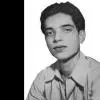
About Dosh Karo Noy Go Ma
\"Dosh Karo Noy Go Ma\" is a Bengali devotional song performed by Pannalal Bhattacharyya. Released in an unspecified year, the track belongs to the Bengali Bhajan tradition, a subgenre of Indian classical and devotional music rooted in the cultural and spiritual practices of West Bengal. The composition features Bhattacharyya’s vocal delivery in the kirtan or bhajan style, characterized by melodic simplicity and lyrical emphasis on divine devotion.
The song runs for 3 minutes and 29 seconds. The recording format and original release label remain undocumented in available sources. The title translates roughly to \"Do Not Blame Me, Mother,\" reflecting themes of surrender and pleading in a devotional context, often directed toward a divine feminine figure such as the goddess Kali or Durga. The lyrical content aligns with the Shakta tradition of Hinduism, where the mother goddess occupies a central role in worship.
Pannalal Bhattacharyya (1927–2003) was a prominent exponent of Bengali devotional music, known for his contributions to Ramprasadi and Shyama Sangeet genres. His renditions frequently incorporated elements of North Indian classical (Hindustani) raga structures while maintaining accessibility for devotional audiences. The track exemplifies his signature approach, blending emotional intensity with technical restraint.
No official album association for this recording is confirmed in public records. The song circulates primarily through compilations of Bhattacharyya’s work and digital archives of Bengali devotional music. Notable performances of the piece may exist in live concert recordings or radio broadcasts from the mid-to-late 20th century, though specific dates and venues remain unverified.
The musical arrangement typically features minimal instrumentation, likely including the harmonium, tabla, or ektara, in keeping with traditional bhajan accompaniment. The absence of detailed production credits or session documentation limits further description of the recording process. The track’s enduring presence in devotional repertoires underscores its cultural resonance within Bengali spiritual music.