Bhar - Aeso Kaiso Aayo
About Bhar - Aeso Kaiso Aayo
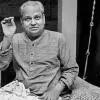
Bhar – Aeso Kaiso Aayo is a Hindi devotional composition performed by Kumar Gandharva. The track belongs to the bhajan tradition of Indian classical and semi-classical music. Gandharva rendered the piece in his signature style that blended the rigor of the Gwalior gharana with folk and devotional elements. The recording spans 5 minutes and 45 seconds.
The composition draws from the bhakti repertoire, with lyrics in the Braj dialect often attributed to poet-saints of the medieval era. Gandharva’s interpretation emphasizes emotional depth through meend (glissando) and nuanced phrasing. The accompaniment details remain undocumented, but his performances typically featured minimal instrumentation, such as the tanpura and occasionally the harmonium or tabla.
The release year and label for this specific recording are unverified in available sources. Gandharva recorded extensively for HMV (now Saregama) and other Indian labels during his career, particularly in the 1960s–1980s. Aeso Kaiso Aayo appears in compilations of his devotional works, though its first standalone publication date is unclear. The track exemplifies his approach to bhajans, where classical techniques serve devotional themes without formal raga constraints.
Notable aspects of the performance include Gandharva’s use of sargam (sol-fa syllables) in the interludes and his modulation between lower and higher octaves. The lyrics invoke divine presence through metaphorical imagery, a hallmark of the nirgun (formless deity) bhakti tradition. No alternate versions by Gandharva are confirmed, though the composition may exist in live concert recordings from his tours in Madhya Pradesh and Maharashtra.
Contextual details about the recording session, producers, or collaborating artists are not publicly documented. Gandharva’s rendition remains a reference for later interpretations of the bhajan in the Hindustani classical sphere.