Ae Ri Sakhi
About Ae Ri Sakhi
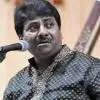
Ae Ri Sakhi is a khayal-based composition performed by Hindustani classical vocalist Ustad Rashid Khan. The track appears as the third piece on his 2003 studio album Naina Piya Se, released by Music Today in CD format. The recording spans 3 minutes and 24 seconds and exemplifies Khan’s interpretation of the vilambit (slow-tempo) and drut (fast-tempo) sections within the raga framework, though the specific raga remains undocumented in available sources.
The album Naina Piya Se emerged as part of Khan’s discography during the early 2000s, a period marked by his collaborations with major Indian classical music labels. The release features Khan’s vocal renditions accompanied by traditional instruments, including the tanpura and tabla, though the contributing instrumentalists are not explicitly credited in the provided context. The tracklist includes a mix of classical bandishes and semi-classical compositions, with Ae Ri Sakhi standing out for its lyrical phrasing and Khan’s use of meend (gliding notes) and gamak (ornamentation).
Khan’s performance style on this track aligns with the Rampur-Sahaswan gharana, a school of Hindustani classical music known for its emphasis on intricate taan patterns and emotional depth. The recording session’s production details, including the recording studio and sound engineers, are not publicly specified. Naina Piya Se received distribution primarily in India, with later digital reissues expanding its accessibility. The album cover art and liner notes, where available, provide contextual annotations on the compositions but do not elaborate on the creative process behind Ae Ri Sakhi.
Critics and audiences often associate Khan’s work from this era with a revival of traditional khayal while incorporating subtle contemporary influences. The 2003 release contributed to his reputation as a leading exponent of North Indian classical vocal music, though quantitative reception metrics such as sales figures or chart performances remain unverified in open sources. The track’s lyrical content draws from classical Hindi or Braj poetry, a common practice in khayal compositions, but the poet or original text source is not attributed in the album documentation.