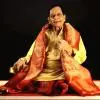
About Utsava Sampradaya Krithis
Utsava Sampradaya Krithis is a vinyl album of Carnatic music compositions performed by vocalist Mangalampalli Balamuralikrishna. The record features traditional utsava sampradaya krithis, a repertoire of devotional songs historically sung during temple festivals and ceremonial processions in South India. The album was released in 1983 as an official production, though the specific label remains undocumented in available sources.
The collection comprises 11 tracks, each rooted in classical Carnatic forms while retaining the festive and lyrical simplicity characteristic of the sampradaya tradition. Notable compositions include Meluko Dayanidhi, a devotional address to Lord Krishna in raga Begada; Hecherika, a rhythmic piece in praise of Lord Venkateswara; and Ksheerasagara, a hymn invoking the divine serpent Ananta. Other prominent tracks are Seetha Kalyana, depicting the wedding of Rama and Sita, and Shobane, a melodic ode to Lord Murugan. The album also features lighter, folk-inflected pieces such as Uyyala Loogavayya and Malle Poola, which blend classical structures with regional lyrical motifs.
Balamuralikrishna’s renditions emphasize vocal agility and bhava (emotional expression), adhering to the oral transmission methods of the sampradaya repertoire. The accompaniment details for this recording are not explicitly documented, but traditional ensembles for such works typically include the mridangam, violin, and tambura. The vinyl format of the release reflects the production standards of Indian classical music recordings in the early 1980s, prior to the widespread adoption of digital media.
The album holds significance as part of Balamuralikrishna’s discography for its preservation of lesser-documented festival compositions. While exact sales figures or reissue history are unverified, the work remains a reference for performers and scholars studying the intersection of temple music and classical Carnatic traditions. The original 1983 release date aligns with Balamuralikrishna’s active period as a recording artist, during which he contributed extensively to both commercial and archival projects in South Indian classical music.