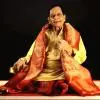
About Thillanas By Dr. M Balamuralikrishna
Thillanas is a studio album of Carnatic vocal music performed by M. Balamuralikrishna. The artist released the recording on January 10, 1996, under an unspecified label. The album adopted the CD format and served as a promotional release tied to a live event held on the same date.
Balamuralikrishna composed and rendered all seven tracks on the album. The repertoire features traditional thillanas, a rhythmic and melodic form in Carnatic music characterized by repetitive lyrical refrains and intricate rhythmic patterns. The tracklist includes Jaya Ragamalika, Kadanakuthuhalam, Brindavani, Kunthalavarali, Dhimna Natha Ragamalika, Dwijavanthi, and Hindolam. Each composition showcases distinct ragas (melodic frameworks) and talas (rhythmic cycles), though specific structural details of the performances remain undocumented in available sources.
The album highlights Balamuralikrishna’s dual role as a vocalist and composer. His interpretations integrate classical rigor with improvisational elements, a hallmark of his artistic approach. The recording captures his vocal technique, including gamaka (ornamentation) and layam (rhythmic precision), within the constraints of a studio environment. Accompaniment details, such as instrumentalists or percussionists involved, are not specified in the release metadata.
Contextual information about the 1996 release event is limited. The album’s promotional nature suggests a connection to Balamuralikrishna’s concert tours or commemorative activities during that period, but no official documentation confirms the event’s scale, location, or additional participants. The CD format aligned with the era’s shift toward digital distribution in Indian classical music, though circulation numbers and commercial reception remain unverified.
Balamuralikrishna’s broader discography includes numerous Carnatic albums, devotional recordings, and experimental works. Thillanas stands as one of his later studio projects, released when he was in his mid-60s. The album contributes to the preservation of thillana as a performance tradition while reflecting his lifelong engagement with raga exploration and compositional innovation.