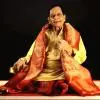
About Raagam Thaanam Pallavi
Raagam Thaanam Pallavi is a studio album of Carnatic vocal music performed by Mangalampalli Balamuralikrishna. The recording features traditional improvisational forms central to South Indian classical concerts, structured as a two-track release. The album emphasizes the raagam-thaanam-pallavi format, a cornerstone of Carnatic performance that integrates melodic exploration (raagam), rhythmic elaboration (thaanam), and a composed thematic section (pallavi).
Balamuralikrishna recorded the album in an unspecified year, though his active period in commercial releases spanned the mid-to-late 20th century. The label and production details remain undocumented in available sources. The tracklist comprises two extended compositions: the first track titled Raagam and the second titled Thaanam, Pallavi. Both pieces showcase Balamuralikrishna’s mastery of manodharma sangeetham (improvisational music), with the pallavi section often set in complex rhythmic cycles (tala).
The album exemplifies Balamuralikrishna’s signature vocal technique, marked by intricate gamakam (ornamentation) and a wide-ranging shruti alignment. His rendition of the thaanam segment typically employs syllabic patterns (janta phrases) to build rhythmic tension before resolving into the pallavi. While specific raga or tala choices for this release are not publicly confirmed, his repertoire frequently included rare and composite ragas of his own creation, such as Ganapathi, Mahati, and Sumukham.
As a prolific composer and performer, Balamuralikrishna contributed over 400 compositions under the pseudonym Bala. This album aligns with his broader discography of live and studio recordings that preserved the oral tradition of Carnatic music. The release format—likely an LP or cassette—reflects the era’s distribution norms, though later reissues may exist in digital or CD formats. No accompanying instrumentalists or percussionists are credited in the provided context, leaving collaboration details unverified.
The album holds historical significance as part of Balamuralikrishna’s extensive catalog, which bridged traditional concert platforms with recorded media. His interpretations of raagam-thaanam-pallavi influenced subsequent generations of Carnatic vocalists, reinforcing the form’s role in both pedagogical and performance settings. Further archival research is required to confirm the exact release date, label, and technical specifications of this recording.