 Release Group

Recent Releases
View allTracklist (Primary Release)
About Rāg Rāmkalī / Rāg Jhiñjoṭī
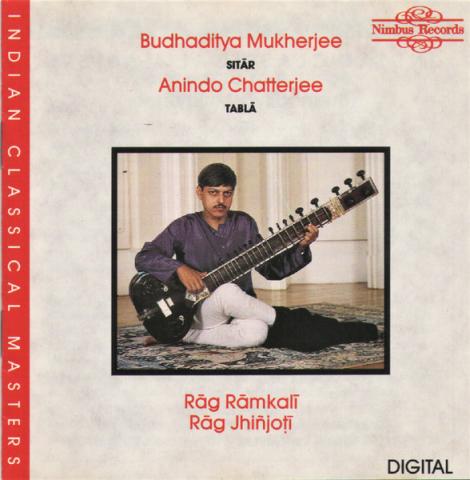
Rāg Rāmkalī / Rāg Jhiñjoṭī is a 1990 studio release by sitarist Budhaditya Mukherjee. The recording features two extended renditions of North Indian classical rāgs performed in the khayāl tradition of Hindustani music. The release date is documented as January 1, 1990, though the specific label remains unverified in available sources.
Budhaditya Mukherjee presents Rāg Rāmkalī as the opening composition. The performance adheres to the vilambit-eka-tāl and drut-teentāl framework, characteristic of the Seniya-Maihar gharana style he represents. The second track, Rāg Jhiñjoṭī, follows a similar structural approach with an emphasis on gamak-laden phrasing and intricate tān patterns. Both tracks omit vocal accompaniment, centering on the sitar as the sole melodic instrument with tanpura drone and tabla percussion support.
The release format is presumed to be a physical audio medium, likely LP or cassette, based on the era of production. No digital reissues or remastered editions are confirmed in public records. Track durations are not specified, but the compositional depth aligns with the 30–45 minute range typical for classical ālāp-jor-jhālā expositions of the period.
Budhaditya Mukherjee’s interpretation of these rāgs reflects his training under Mushtaq Ali Khan and later Ali Akbar Khan, blending the beenkār (rudra veena) and sitar traditions. The recording captures his signature use of meend (glissando) and sparse, meditative development in the ālāp sections. Further details on session musicians, recording location, or production personnel are not accessible in existing documentation.