 Release Group

Recent Releases
View allTracklist (Primary Release)
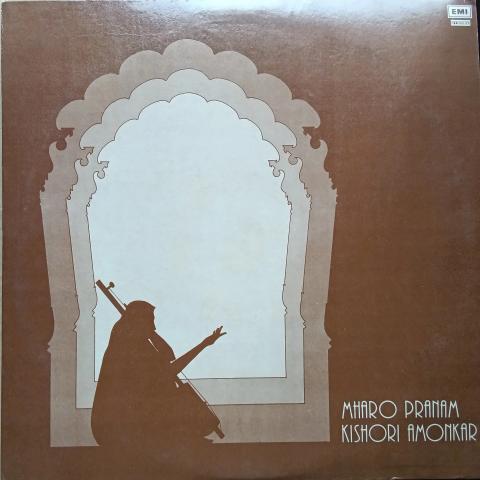
About Mharo Pranam (Meera Bhajans)
Mharo Pranam (Meera Bhajans) is a studio album of devotional bhajans by Indian classical vocalist Kishori Amonkar. Released on January 1, 1984, the album presents Amonkar’s interpretation of Meera bhajans, a collection of devotional songs attributed to the 16th-century mystic poet and saint Meera Bai. The release falls under the classical and devotional music genres, blending the Jaipur-Atrauli gharana’s vocal traditions with the lyrical and emotional depth of Meera’s compositions.
Amonkar performs all nine tracks on the album. The title track Mharo Pranam opens the collection, followed by compositions such as Jao Nirmohiya Jaani Thaari Preet, Prabhuji Main Araj Karun Chun, and Jogi Mhane Daras Dikhajo Ji. Other notable tracks include Josida Ne Laakh Badhaai, Piya Bina Suno Cheji Mharo Des, Sawan De Rahyan Jora Re, Badra Re Tu, and Chaalan Vahi Des. Each track adheres to the bhajan format, characterized by poetic devotion and melodic improvisation within the framework of Hindustani classical music.
The album reflects Amonkar’s mastery of raga-based renditions while maintaining the spiritual essence of Meera’s verses. The recordings emphasize vocal clarity, rhythmic precision, and the expressive use of taans (melodic phrases) and meends (glides between notes). The accompaniment details remain undocumented in available sources, though traditional bhajan performances of this era typically included harmonium, tanpura, and tabla or pakhawaj.
Released in 1984, Mharo Pranam (Meera Bhajans) contributed to the broader discourse on devotional music in India during the late 20th century. The album’s reception and commercial distribution specifics are not widely recorded, but it remains a referenced work in Amonkar’s discography. The label associated with the original release is not confirmed in accessible sources.
Kishori Amonkar (1932–2017) was a prominent exponent of the Jaipur-Atrauli gharana and a recipient of India’s Padma Vibhushan (2002). Her renditions of Meera bhajans, including those in this album, are noted for their technical rigor and emotional resonance within the classical devotional repertoire.