 Release Group

Tracklist (Primary Release)
About If
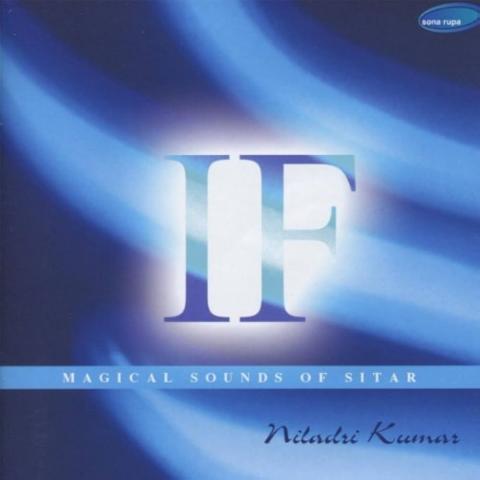
If is a studio album by Indian classical and fusion musician Niladri Kumar, released in 2010. The album represents Kumar’s exploration of contemporary fusion while retaining elements of Hindustani classical music, particularly through his signature instrument, the zitar—a modified version of the sitar he developed. The release comprises eight tracks that blend traditional raga structures with electronic textures, ambient soundscapes, and global musical influences.
Kumar composed, arranged, and performed the primary instrumental work on the album. The tracklist includes If You Have Ever Loved, Calling Ganesha, Ya-Man, Luckhnow, Haseen, Salute to Tradition, Khwab, and the title track IF. Calling Ganesha incorporates devotional chants dedicated to the Hindu deity Ganesha, while Salute to Tradition pays homage to classical raga forms. Luckhnow and Haseen draw inspiration from the cultural and musical heritage of Lucknow, integrating thumri and semi-classical motifs.
The album features collaborations with guest artists, though specific contributor details remain partially undocumented in available sources. Production credits include Kumar alongside sound engineers and producers associated with his label at the time. The release format consisted of a physical CD and digital distribution, with no confirmed vinyl pressing. The label behind the project is not explicitly named in widely accessible records, but Kumar’s prior and subsequent works were often associated with major Indian and international distributors specializing in world music.
Critically, If received attention for its experimental fusion of classical Indian music with electronic and Western contemporary styles. Kumar’s use of the zitar as both a melodic and rhythmic instrument became a focal point of the album’s sound. The track Khwab (meaning \"dream\" in Hindi/Urdu) employs layered synth pads and percussive elements, while Ya-Man incorporates Sufi-inspired vocal phrasing. The album’s closing track, IF, synthesizes these diverse influences into a cohesive finale.
Live performances supporting the album included adaptations of its tracks in Kumar’s concerts, often with extended improvisations. The release contributed to Kumar’s reputation as an innovator in the fusion genre, bridging traditional Indian classical music with modern production techniques. Additional contextual details, such as chart performance or sales figures, are not publicly verified.