Benares
Introduction
The Benares Gharana represents one of the most distinctive vocal traditions in Hindustani classical music, rooted in the sacred city of Varanasi in Uttar Pradesh. Founded by Kirtankars in the 13th century and revived in the mid-20th century, the gharana evolved through a unique fusion of khayal and thumri singing styles. The tradition is characterized by its emphasis on bol-banav (word embellishment), where the text of a song is treated with musical ornamentations to bring out emotional meaning, creating a style known as Purab Ang (eastern style).
What distinguishes the Benares Gharana is its text-centered musical philosophy. Unlike gharanas that prioritize pure melodic display or technical virtuosity, Benares singers use musical ornamentation to highlight words and convey deep emotions. The performance style is characterized by poise, restraint, and a slightly slower tempo, allowing phrases to be repeated, stretched, and colored with devices like meend, murki, and gamak. This approach creates an intimate, conversational quality that reflects the gharana's connection to both classical rigor and folk accessibility.
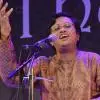
The gharana has been shaped by legendary artists who elevated thumri and khayal to new heights. Early pioneers like Badi Moti Bai (1869-?) established the foundational style, followed by the "Three Divas" of Purab Ang: Siddheshwari Devi, Rasoolan Bai, and their contemporaries. The tradition continued through Girija Devi (1929-2017), the "Queen of Thumri," and reached new audiences through the celebrated brothers Pandit Rajan and Sajan Mishra, who specialized in innovative khayal duet performances while maintaining the gharana's 300-year lineage.
The Benares Gharana borrows extensively from folk songs of eastern Uttar Pradesh, incorporating regional dialects (Awadhi, Braj Bhasha, Bhojpuri) and rhythmic elements like laggi compositions. Performances typically use talas such as Deepchandi, Dadra, and Addha, with a characteristic doubling of tempo after initial elaboration. This integration of folk and classical elements creates music that is at once accessible and profound, preserving the sacred cultural atmosphere of Varanasi while speaking to universal themes of love, separation, and devotion.