Sitar Solo - Raga - Mishra Piloo, Alap - Jod - Gat - Teental
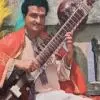
About Sitar Solo - Raga - Mishra Piloo, Alap - Jod - Gat - Teental
Abdul Halim Jaffer Khan recorded Raga Mishra Piloo as the third track on his 1967 vinyl release Sitar Solo – Raga Champakali. His Master’s Voice issued the album in a long-playing format. The composition spans 18 minutes and 48 seconds, structured in the traditional sequence of alap, jod, gat, and teental.
The track exemplifies Khan’s approach to the sitar, blending the gayaki ang (vocal-style phrasing) with instrumental virtuosity. The alap section establishes the raga’s mood through slow, exploratory development. The subsequent jod introduces rhythmic interplay, while the gat in teental (16-beat cycle) showcases Khan’s command of taans (rapid melodic runs) and meend (glissando techniques).
The album Sitar Solo – Raga Champakali features Khan as the sole performer, accompanied by an unidentified tabla artist. The recording session’s location and production personnel remain undocumented in available sources. The vinyl release includes no additional liner notes or credits beyond the label’s standard imprint.
Khan’s interpretation of Mishra Piloo reflects his training under the Beenkar gharana while incorporating elements of the Indore gharana. The raga’s hybrid nature—combining Piloo with shades of Khamaj thaat—appears in his improvisational choices. The 1967 pressing marks one of his early commercial recordings under His Master’s Voice, a label that later released several of his influential works.
No reissues or digital remasters of this specific track have been officially confirmed. The original vinyl remains the primary format for this performance, though bootleg or unofficial transfers may circulate among collectors. The album’s cover art and catalog number are not specified in accessible archives.