Raga Puriya Kalyan: Alap, Jor & Jhala
About Raga Puriya Kalyan: Alap, Jor & Jhala
Raga Puriya Kalyan: Alap, Jor & Jhala is a 2005 recording by Ustad Mohi Baha’uddin Dagar, a prominent exponent of the Dhrupad tradition in Indian classical music. The track serves as the opening piece on the album Raga Puriya Kalyan, released under the India Archive Music label in CD format. The composition spans 51 minutes and 57 seconds, showcasing the intricate development of Raga Puriya Kalyan through the three structural sections of Alap, Jor, and Jhala.
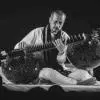
Ustad Mohi Baha’uddin Dagar performs the piece on the rudra veena, an ancient fretless string instrument central to the Dhrupad style. The recording captures his mastery of meend (glissando) and gamak (ornamentation), techniques essential to the raga’s elaboration. The Alap section introduces the raga’s melodic framework in a slow, meditative tempo, while the Jor introduces rhythmic pulse without percussion. The Jhala concludes the performance with rapid, intricate strokes, emphasizing the raga’s climactic phrases.
The album Raga Puriya Kalyan focuses exclusively on this raga, a late-evening melody from the Kalyan thaat characterized by its use of shuddha dhaivat (natural sixth) and komal nishad (flattened seventh). India Archive Music produced the release as part of its series documenting traditional Indian classical forms. The recording date and location remain undocumented in available sources, but the label specializes in archival and field recordings of senior maestros.
Ustad Mohi Baha’uddin Dagar (1927–2009) belonged to the Dagarbani lineage, one of the four primary schools of Dhrupad. His performances often highlighted the gayaki ang (vocal-style phrasing) on the rudra veena, a hallmark of the Dagar tradition. This track exemplifies his approach to raga exposition, prioritizing depth of swara (note) exploration over rhythmic complexity. The 2005 release contributes to the documented repertoire of Puriya Kalyan, a raga frequently interpreted in both vocal and instrumental Dhrupad.