Ninne Nammiti
About Ninne Nammiti
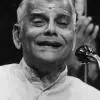
Ninne Nammiti is a Carnatic vocal and flute performance recorded live by vocalist K.V. Narayanaswami and flautist Dr. N. Ramani. The track spans 35 minutes and 9 seconds and serves as the opening piece on the album Paddhatti – K V Narayanaswamy & Dr N Ramani – Live in Concert – Vol. I & II.
The album captures a collaborative concert between Narayanaswami and Ramani, showcasing their interpretations of classical compositions. Charsur Digital Workstation released the recording in 2003 as a two-volume CD set. The label specializes in archival and live performances of Indian classical music, though specific details about the concert’s location or date remain undocumented in available sources.
Narayanaswami provides the vocal rendition in Ninne Nammiti, while Ramani accompanies on the bamboo flute. The composition follows traditional Carnatic structural elements, including alapana, neraval, and kalpana swaras, though the exact raga and tala assignments are not explicitly stated in the release metadata. The track exemplifies the artists’ improvisational interplay, a hallmark of their live performances.
K.V. Narayanaswami (1923–2002) was a prominent Carnatic vocalist known for his emotive phrasing and adherence to classical purity. Dr. N. Ramani (1934–2015) was a celebrated flautist who expanded the flute’s role in Carnatic concerts through technical innovations and collaborative projects. Their partnership on this album reflects a period of cross-disciplinary experimentation in the early 2000s, blending vocal and instrumental traditions.
The release format consists of two compact discs, with Ninne Nammiti positioned as Track 1 on Volume I. No alternate versions or remastered editions of this specific recording have been officially documented. The album’s liner notes, if included, are not publicly summarized, and the original concert’s reception or critical analysis remains unrecorded in accessible archives.