Mharoji Bhulo Na Mane
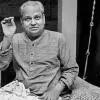
About Mharoji Bhulo Na Mane
\"Mharoji Bhulo Na Mane\" is a Hindustani classical khayal composition performed by Kumar Gandharva. The track appears in a live recording format with a duration of 7 minutes and 26 seconds. Kumar Gandharva rendered the bandish in raga Bhairav, a morning raga characterized by its use of komal re and komal dha with a contemplative and devotional mood. The performance showcases his signature approach to raga elaboration, blending traditional phrasing with spontaneous improvisation.
The recording date and venue remain undocumented in widely accessible sources, but stylistic elements align with Gandharva’s concert repertoire from the mid-to-late 20th century. No commercial label or official album association is confirmed for this specific track, though similar performances circulated through private recordings and archival collections dedicated to his work. The composition’s lyrics invoke devotion to Lord Vitthal, a deity revered in the Varkari tradition of Maharashtra, reflecting Gandharva’s deep engagement with regional bhakti themes.
Kumar Gandharva (1924–1992) adapted traditional khayal forms while emphasizing emotional expressiveness and rhythmic flexibility. In this performance, he accompanies himself with minimal instrumental support, likely including tanpura and tabla, though detailed session credits are unavailable. The track exemplifies his ability to convey raga essence through concise yet layered presentations, a hallmark of his later career when health constraints limited extended performances.
Notable aspects of the rendition include the use of sargam patterns in the antar section and a gradual acceleration in tempo during the taan sequences. The recording’s audio quality varies across sources, suggesting it originated from a live concert or radio broadcast rather than a studio session. As with many of Gandharva’s informal recordings, this track circulates among classical music archives and enthusiast networks, often shared for its devotional and artistic merit.