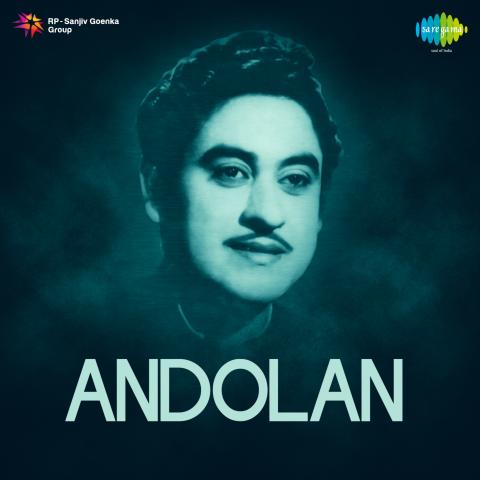

About Andolan
Andolan is a studio album featuring compositions by Pannalal Ghosh and Jaidev, released on December 31, 1951. The album represents a collaboration between Ghosh, a pioneer of the bamboo flute in Hindustani classical music, and Jaidev, a composer known for his contributions to Indian classical and film music. Saregama issued the recording in digital media format as part of its catalog of vintage Indian classical and devotional works.
The album contains seven tracks that blend devotional themes with classical instrumentation. Ghosh performs on the flute, while Jaidev contributes as a composer and possibly in an arranging capacity. The tracklist includes Vande Mataram, a patriotic hymn adapted from Bankim Chandra Chattopadhyay’s poem, and Prabhu Charnon Men Aya Pyari, a bhajan-style composition. Other notable tracks are Radha Ne Kiya Sringar, a devotional piece centered on Radha-Krishna themes, and Ram Naam Ras Pije Manwa, a bhajan dedicated to Lord Rama. The album also features Subah Ki Pehli Kiran, Panch Rupaiya Are Panch Rupaiya, and Piya Ko Milan Kaise Hoye Ri, each reflecting elements of classical raga structures and folk-inspired melodies.
The release date coincides with the end of 1951, positioning Andolan among early post-independence recordings that explored devotional and classical fusion. Saregama’s reissue in digital format preserves the original analog recordings, though specific details about the production process or additional contributing artists remain undocumented. The album serves as an example of Ghosh’s influence on flute-based classical music and Jaidev’s emerging role in Indian music composition during the mid-20th century.
