 Release Group

Recent Releases
View allTracklist (Primary Release)
About Raga Jog
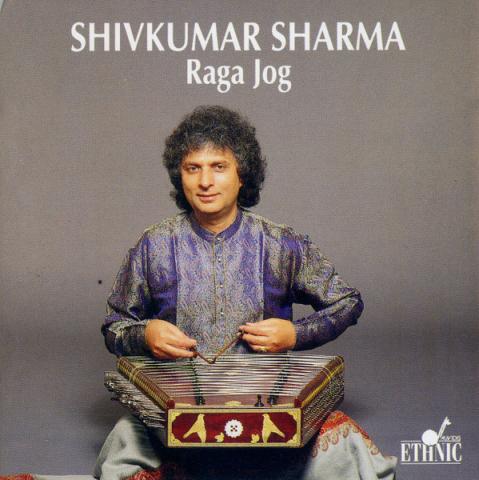
Raga Jog is a studio album by Indian classical musician Shivkumar Sharma. Sharma released the album on January 1, 1992, as a primary exploration of Raga Jog, a raga in Hindustani classical music associated with the late evening or early night. The recording features Sharma on the santoor, accompanied by Anindo Chatterjee on tabla and Usha Shastri on tanpura.
The album comprises three tracks that collectively present a structured rendition of Raga Jog. The first track, Raga Jog - Alap - Jhor, introduces the raga through an alap, a slow, improvisational section that establishes the melodic framework. Chatterjee and Shastri provide rhythmic and harmonic support in this segment. The second track, Raga Jog - Jhala, transitions into the jhala phase, characterized by faster tempos and intricate rhythmic interplay between Sharma’s santoor and Chatterjee’s tabla. The final track, Raga Jog - Dhun - Teentaal, concludes the performance with a dhun set in teentaal, a 16-beat rhythmic cycle, blending compositional elements with improvisation.
The release format of Raga Jog is not explicitly documented in available sources, but the album circulated widely in physical media during the 1990s. No official label information is confirmed for this release. Sharma’s interpretation of Raga Jog reflects his signature approach to the santoor, emphasizing clarity of note articulation and dynamic interaction with accompanying percussion. The collaboration with Chatterjee, a prominent tabla exponent, and Shastri’s tanpura accompaniment adheres to traditional ensemble conventions in Hindustani classical performances.
The album contributes to Sharma’s discography as a solo artist and underscores his role in popularizing the santoor as a lead instrument in Indian classical music. Further details regarding production credits, alternate editions, or reissues remain unverified in public records.